
Data Platform
ASSET is a data platform, initially formed by linking multiple Aotearoa New Zealand administrative and health databases together (study population databases linked to outcome databases (see Figure 1)). As an enduring data asset, ASSET undergoes biennial re-linkage to provide the most up-to-date information and to enable the inclusion of additional databases, which now number ten and continue to grow. ASSET offers the potential for multiple inquiries in population-based health services research in kidney disease – with a focus on equity in access to health services for New Zealanders with kidney failure
What is ASSET?
Watch our conference presentation to learn more about our ASSET data platform!
Linking Aotearoa New Zealand health databases
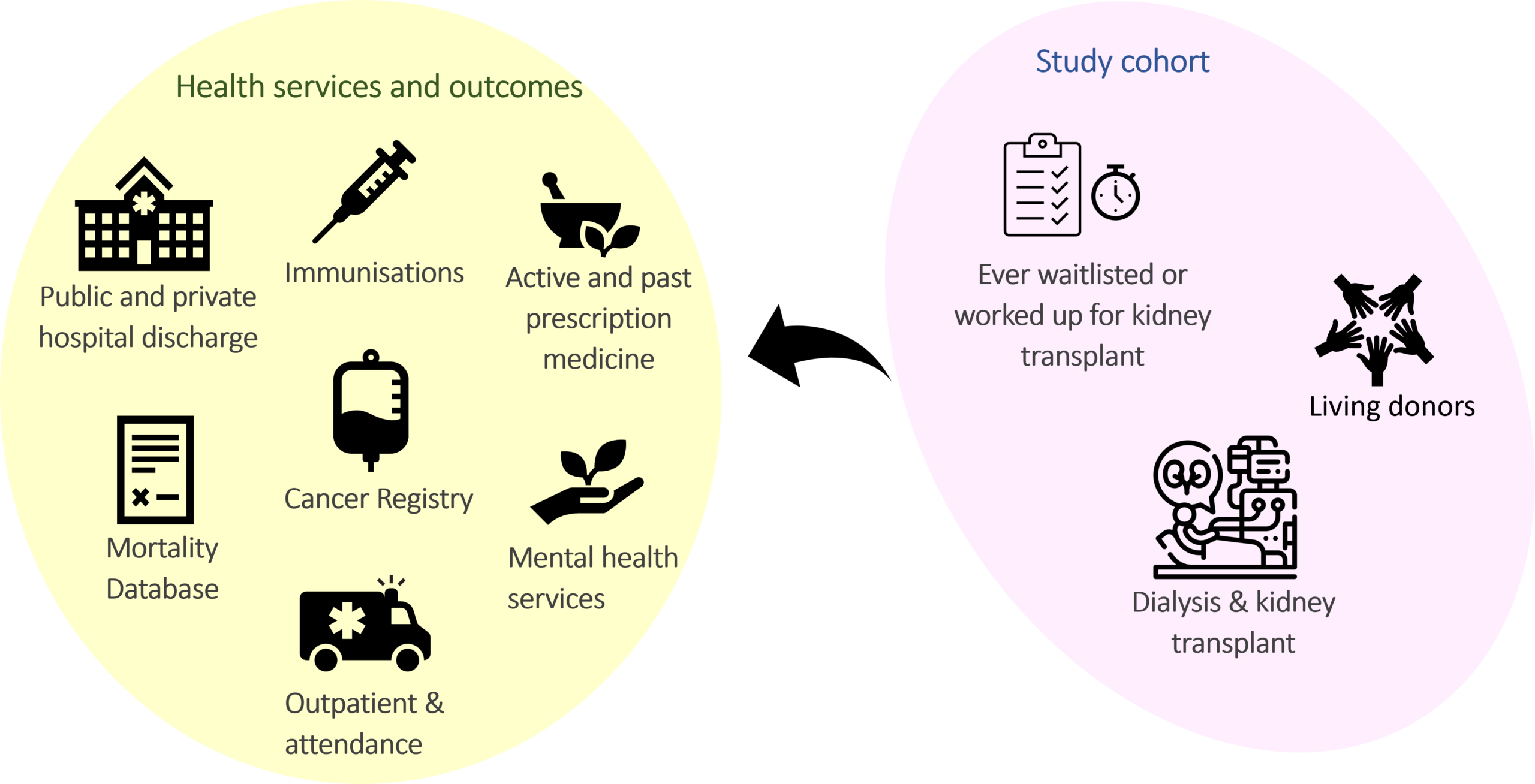
Figure 1: Linking Aotearoa New Zealand administrative and health databases together to create the ASSET platform
What is ASSET?
ASSET is a rich data platform and comprehensive resource for population health services research. Each linked database relates to a specific illness or health service, providing a snapshot of individuals’ health and their use of health services. Combining these databases makes it possible to examine an individual’s healthcare journey across multiple services. For example, the cancer registry records cancer diagnoses over time; linking it to the National Non-Admitted Patient Collection and National Minimum Dataset then allows comparisons of hospital length of stay or number of admissions between people with cancer and those without.
ASSET’s Data Sources
ASSET’s linked databases contain health data on people with kidney failure and living kidney donors and their engagement with the health care system including hospitalisations, emergency and outpatient services, cancer diagnoses, mental health service use, medication use, and deaths and their causes.
ANZDATA:
Australia and New Zealand Dialysis and Transplant Registry records data on all persons receiving dialysis and those who undergo transplantation within Australia and Aotearoa New Zealand between 1980 – 2024. ASSET includes only those persons living in New Zealand.
NZ Blood Service:
New Zealand Blood Service Database records all persons in Aotearoa New Zealand waitlisted for a kidney transplant (living or deceased) and waitlist status changes over time, including temporarily inactive or permanently inactive between 2005 – 2025.
National Minimum Dataset:
collects and records health service use including private and public hospital discharge information from inpatients and day patients from 1988 to 2025.
PRIMHD:
Programme for the Integration of Mental Health Data collects and records baseline health service use for mental health conditions in Aotearoa New Zealand between 2008 – 2025.
ANZLKD:
Australia and New Zealand Living Kidney Donor Registry records data on all living donors in Australia and Aotearoa New Zealand between 2004 – 2024. Only living donors in Aotearoa New Zealand are included in ASSET.
National Non-Admitted Patient Collection Data:
collects and records health service use data including non-admitted patient outpatient and emergency department events from 2006 – 2025.
Cancer Registry:
collects and records data on all cancer diagnoses in Aotearoa New Zealand between 1995 – 2024.
Pharmaceutical Claims Database:
records active and past medication between 1996 – 2025 in Aotearoa New Zealand.
Mortality Collection Database:
records all deaths and their causes using International Classification of Diseases (ICD) between 1988 – 2022 in Aotearoa New Zealand.
Immunisation Register:
records records all vaccinations for people in Aotearoa New Zealand
Ensuring Privacy and Security
Maintaining privacy and security of individual health information is essential to research. Data linkage was completed by the Te Whatu Ora (Health New Zealand). Data collections at Te Whatu Ora are governed by privacy and data protection legislation including the Health Information Privacy Code 2020, The Privacy Act 2020 and The Health Information Governance Guidelines. Once linked, all databases were de-identified before sending to researchers via password protected files.
ASSET data platform contains no identifiable information; therefore, the privacy of individuals is fully protected. ASSET data is stored on a university secured server and is unable to be accessed unless approval is granted by the ASSET steering committee and University Ethics committee.
Data Linkage
ASSET data linkage was performed by Te Whatu Ora (Health New Zealand) and privacy and security was maintained throughout. Te Whatu Ora used patients’ National Health Index (NHI) numbers to deterministically link between existing registry and administrative health databases in New Zealand (Figure 1). Those missing NHI numbers were linked probabilistically (Figure 2). Once linkage was completed, the data was de-identified and sent via password protected files to ASSET researchers.
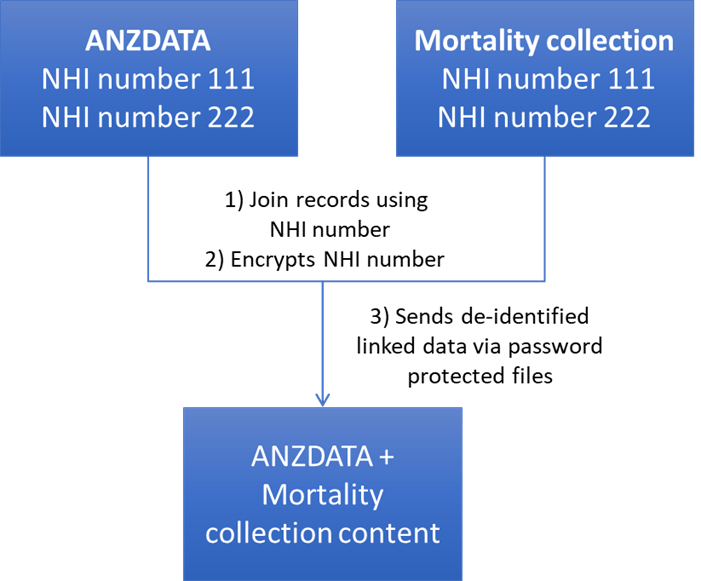
Figure 3: Example of deterministic linking database ANZDATA with Mortality Collection database. Deterministic linkage is possible when data sets contain a common identifier – NHI number
Want to get involved?
Are you interested as a patient, practitioner or student? We are here to help. Find out how you can get involved.